Hardscaping built for the way you use your yard
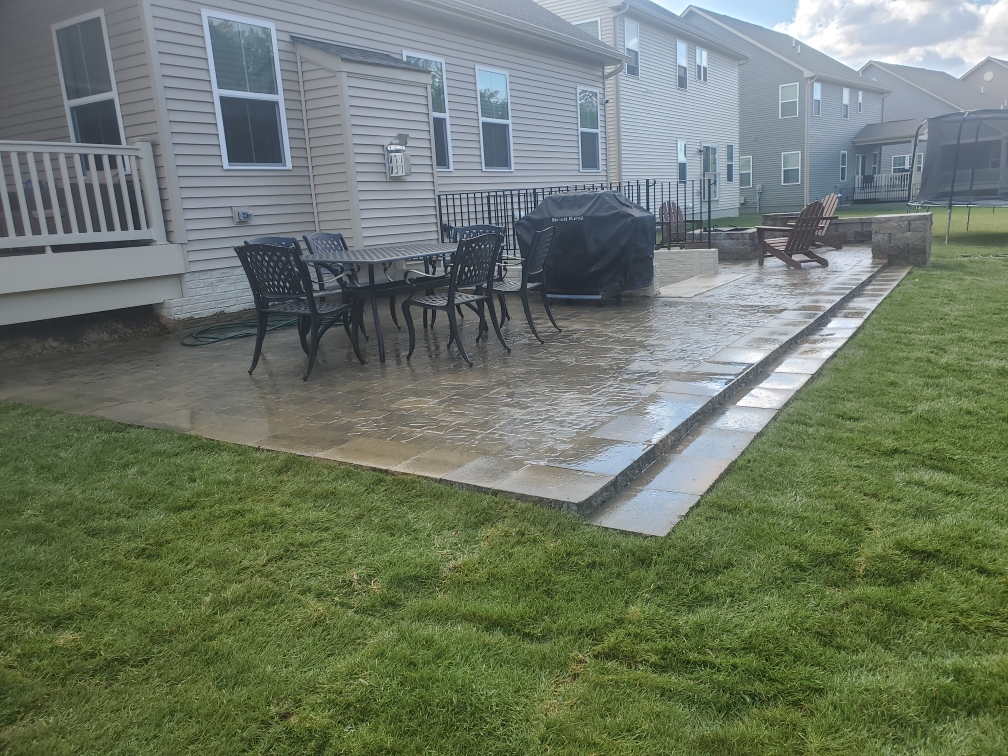
A paver patio is the foundation of most outdoor living spaces. It gives you a firm, dry, level surface for a dining table, grill station, fire pit or lounge area, and it connects the house to the rest of the yard. We plan each patio around how you actually use the space: where the sun sits in the evening, where guests will walk, and how water drains off the roof and the lawn.
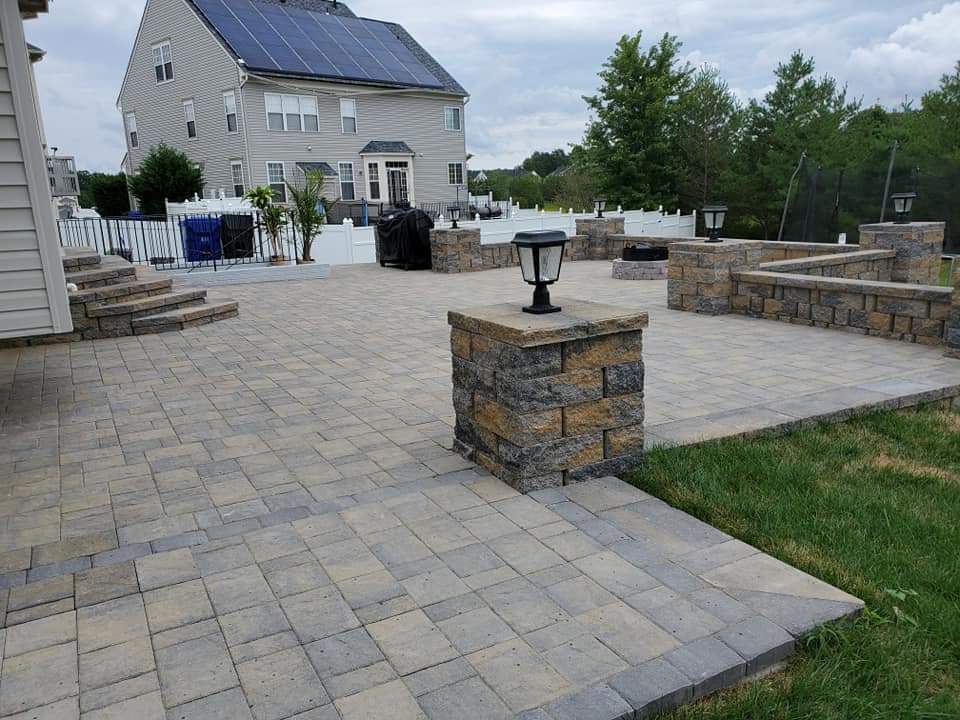
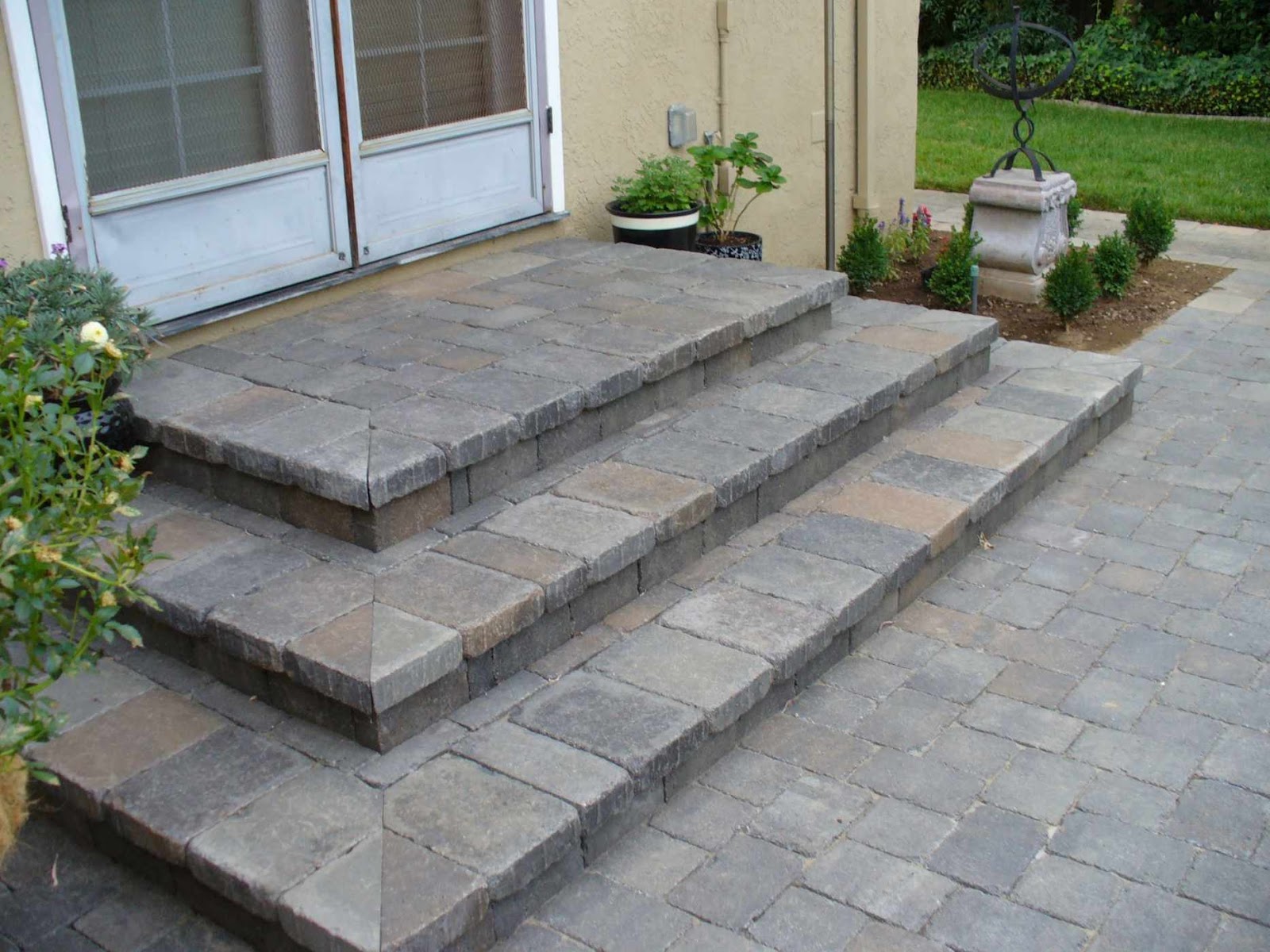
Our hardscaping work goes beyond the patio itself. We regularly add paver walkways from the driveway to the back yard, paver steps and landings off a deck or rear door, seat walls, stone pillars with lighting, and borders that frame the lawn. The result is one connected outdoor living space rather than a slab dropped behind the house.
Why the base matters more than the pavers
Most patio failures in Southern Maryland come from what is under the pavers, not the pavers themselves. Clay-heavy soils in Calvert and Prince George's County hold water, and a thin base lets pavers heave in winter and sink in summer. We excavate to the proper depth, install and compact graded stone in lifts, screed a bedding layer, and lock the field in with edge restraint and polymeric joint sand.
We also pitch every patio slightly away from the house so rainwater runs off instead of pooling against your foundation. On sloped yards we may pair the patio with a retaining wall or steps so the finished surface is level and usable.
Pavers vs. poured concrete
Concrete pavers are individual units, so the surface can flex slightly as the ground moves instead of cracking. If one section is ever damaged or a utility line needs to be reached, the pavers can be lifted and reset. Pavers also offer far more colors, textures and patterns than a broom-finished slab, which is why most of our clients in Owings, Dunkirk and Huntingtown choose them for patios and walkways.
Materials we use
- Concrete pavers in many colors and textures
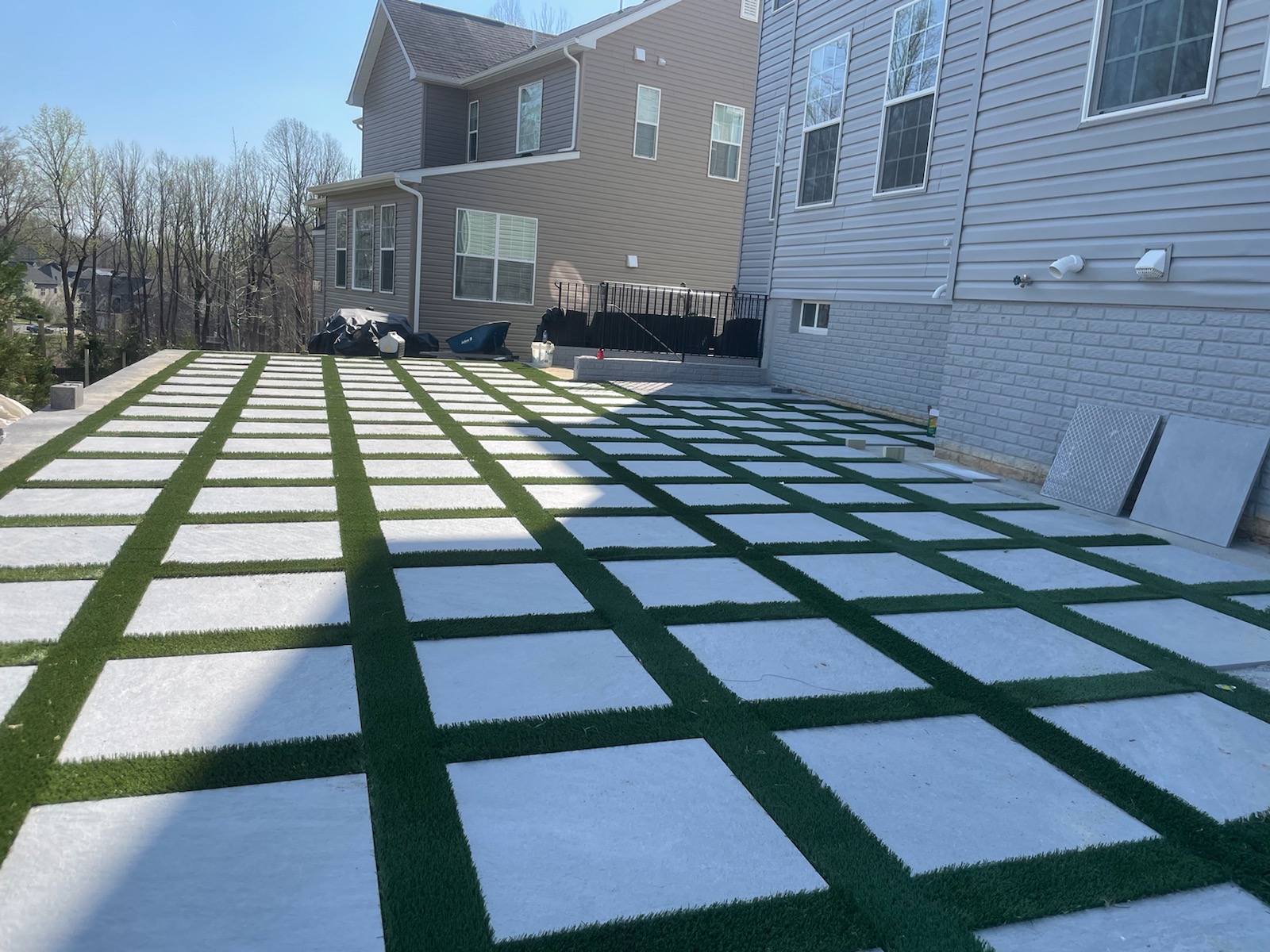
- Large-format and natural-stone-look pavers
- Compacted crushed stone base
- Concrete sand bedding layer
- Edge restraint
- Polymeric joint sand
Benefits
Built to stay level
Excavated, compacted stone base and edge restraint keep the surface flat for years.
Low maintenance
Polymeric joint sand resists weeds and washout; occasional sweeping and rinsing is usually all it needs.
Repairable
Individual pavers can be lifted and reset instead of tearing out a whole slab.
Adds usable space
A well-placed patio turns unused lawn into an outdoor room for dining and entertaining.
Our paver patios process
- 1
Free on-site estimate
Matt visits, measures, checks grade and drainage, and talks through layout, size and paver options.
- 2
Design & written quote
You get a clear written scope covering size, materials, base depth and any steps or walls.
- 3
Excavation & base
We dig out, install and compact the stone base in layers and set the bedding course.
- 4
Pavers, edging & finish
Pavers are laid, cut, edged and compacted, then joints are filled with polymeric sand and the site is cleaned up.
Related projects
Paver Patios FAQ
How much does a paver patio cost in Southern Maryland?
Cost depends mainly on square footage, the paver style you choose, how much excavation and base work the site needs, and extras like steps, seat walls or lighting. We provide a free, itemized written estimate after seeing your yard, so you know the price before any work starts.
How long does it take to install a paver patio?
Most residential patios take a few working days once construction starts. Larger outdoor living spaces with walls, steps or multiple levels take longer. Weather and site access can affect the schedule, and we confirm a timeline in your estimate.
Do I need a permit for a paver patio in Calvert County?
A patio built at grade often does not need a building permit, but properties near tidal water may fall inside the Chesapeake Bay Critical Area, which limits lot coverage. We check your property's situation during the estimate and tell you if approvals are needed.
Will weeds grow between the pavers?
We fill joints with polymeric sand, which hardens and resists weeds and ants. Over time, a light top-up of joint sand every few years keeps the surface looking clean.
Can you add a patio next to my existing deck?
Yes. Pairing a deck with a ground-level paver patio and paver steps is one of our most common projects, and it creates a connected outdoor living space.